Codex Gigas: The Devil’s Bible

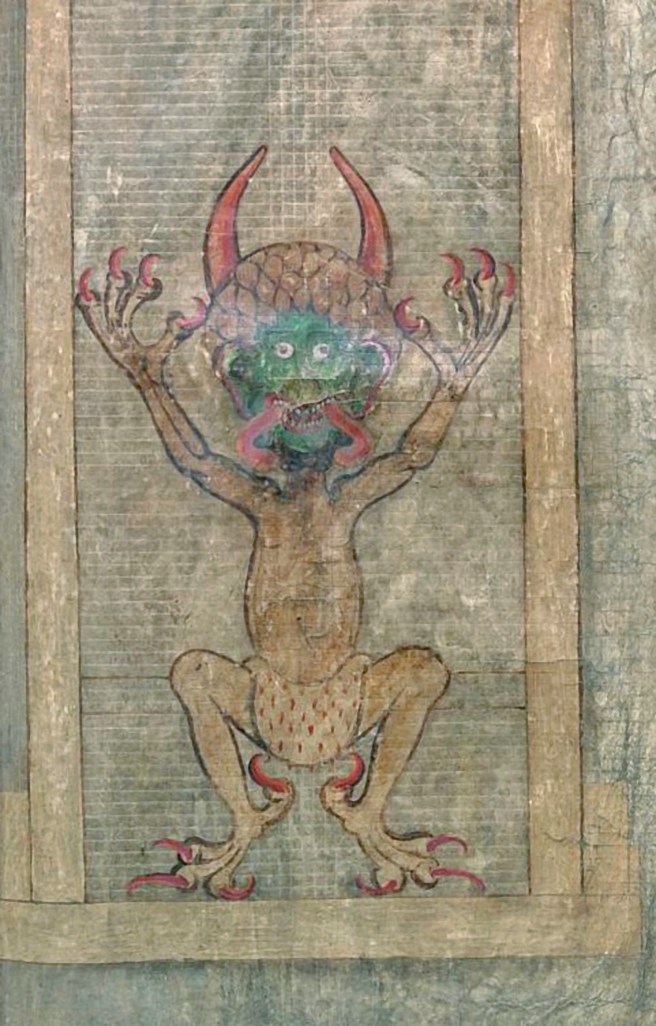
The Codex Gigas is the largest medieval text still in existence. Created in the Czech Republic during the early 12th century, the Codex Gigas is also known as the “Devil’s Bible” because it contains a large illustration of the Devil and details on how to exorcise evil spirits. It also contains a full-length Bible, known as the Vulgate Bible, among other texts.
Codex-Gigas-Devil-enhanced
This clawed beast is a portrait of the Devil as depicted  in the Codex Gigas.

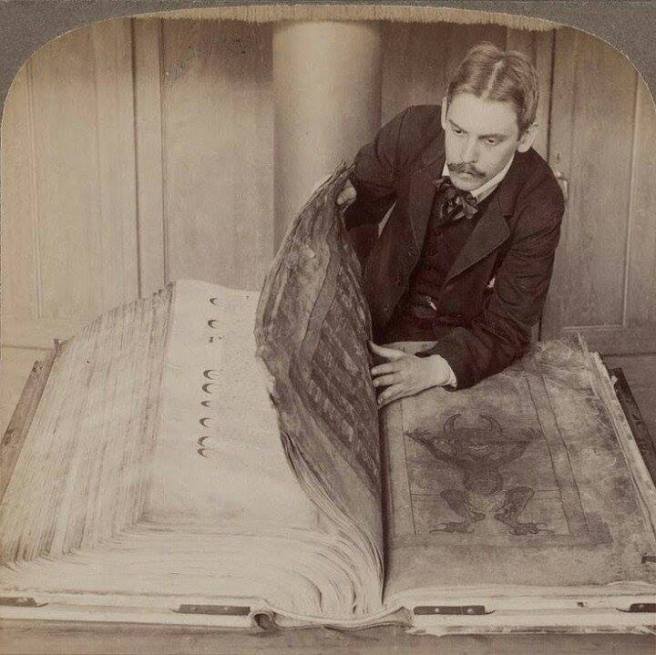
The tome is so large, the skins of over 150 calves were needed to create its 310 leaves of vellum pages. It is bound with wood, metal, and leather, and weighs over 150 pounds.
12801137_1057208291009943_3822467591052754838_n

Incredibly, the entire Codex Gigas is thought to have been compiled by a solitary scribe: a Benedictine monk named Herman the Recluse.

Legends surrounding Herman the Recluse accuse him of breaking his monastic vows, leading the church to sentence him to being imprisoned alive within the monastery walls. The myth postulates that Herman the Recluse sought to avoid or postpone his horrible fate by promising to create a tome that would contain all of human knowledge and would make his monastery famous. He had one year to complete the task and, legend has it, he was able to do so on his own by making a pact with Lucifer, the devil, leading to the tome’s ironic nickname: The Devil’s Bible.
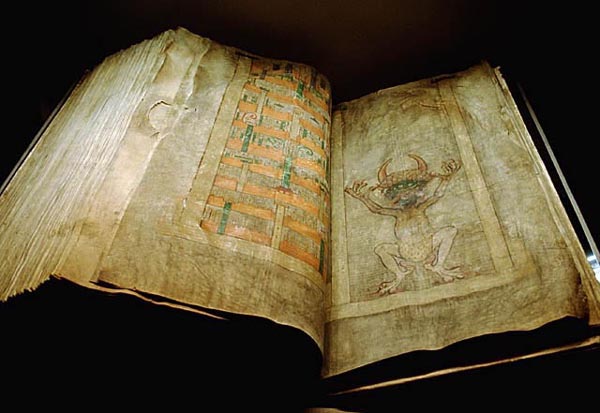
Devil_codex_Gigas
Codex Gigas, the Devil’s Bible

Photo credits: Kungl. biblioteket

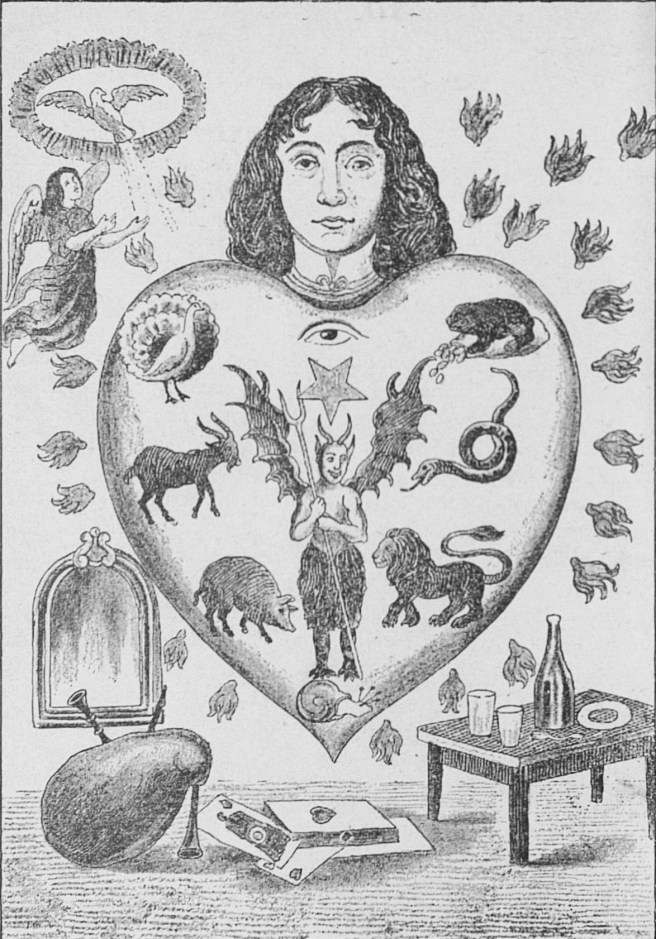
The Seven Deadly Sins

sevendeadlysins

An allegorical image from a mission table depicting the human heart subject to the seven deadly sins, each represented by an animal.

Clockwise from top:

toad = avarice; snake = envy; lion = wrath; snail = sloth; pig = gluttony; goat = lust; peacock = pride

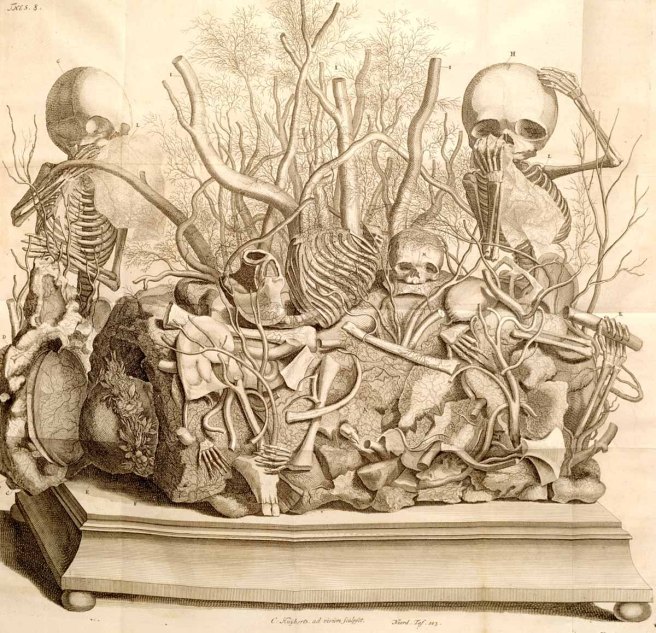
The Amphitheatrum Sapientiae Aeternae

From the alchemical text Amphitheatrum sapientiae aeternae by Heinrich Khunrath 1595. The book mixes Christianity with alchemical magic and was condemned by the Sorbonne in 1625.

Eye

Death, An Appointment

To love here on Earth,

Is indeed to prepare the way for sorrow,

for all who love must be parted,

by the great appointment.

~ From Sermons of Consolation by F.W. P. Greenwood, 1847 ~

R-20100927-0061.jpg
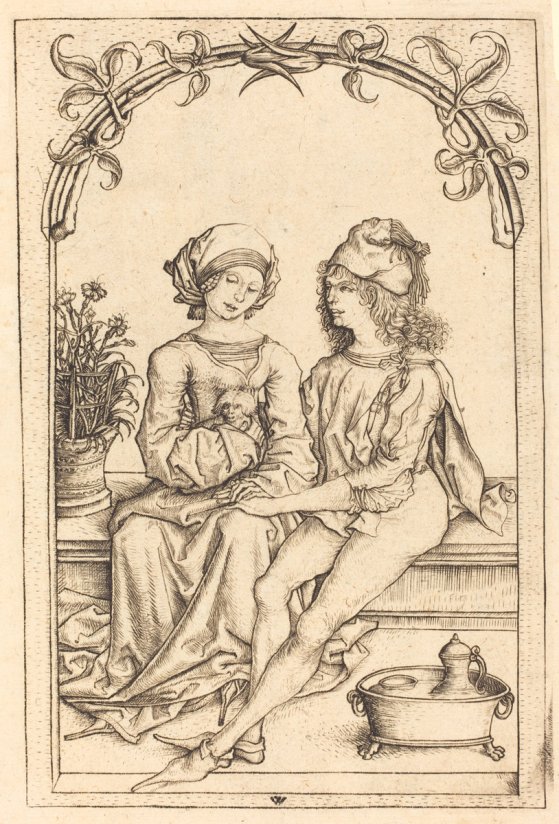
Wenzel von Olmutz after Master of the Housebook, The Lovers, c. 1490, engraving, Rosenwald Collection

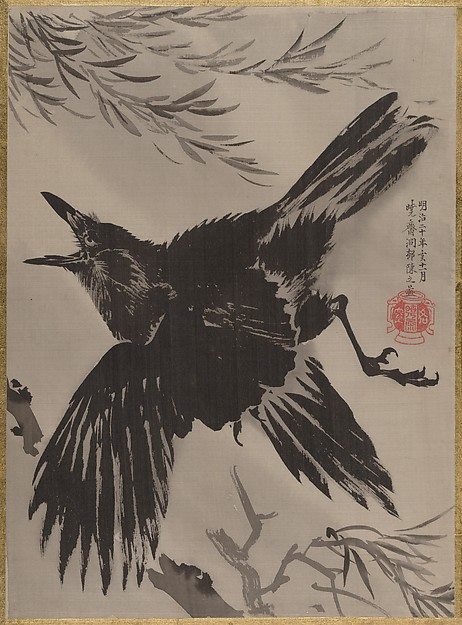
Crow & Willow Tree

From the Metropolitan Museum of Art. 柳に鴉図
Crow and Willow Tree is a painting from the Meiji period (1868-1912) by Kawanabe Kyōsai. Medium: Album leaf; ink and color on silk.
~ 1887 ~

Kawanabe Kyosai Crow and Willow tree 1887

Ute Indian Skull

Six Adult Male Pah Ute Indian Skulls…
Dry plate. exposure 7 seconds each.

Ute Indian Skull

WAR DEPARTMENT, SURGEON GENERAL’S OFFICE, ARMY MEDICAL MUSEUM, WASHINGTON, D. C. Photograph No. 24 Negative No. 24
~ 1885 ~

Eye